Your ideal time for a visit to northern or southern Australia is a matter of personal tolerance for the weather, your itinerary and destination. In the north one will find that the dry season, say May to October, makes for less humid road trips and you can get into the national parks with greater ease. The south is well suited to the traveller from late spring to early autumn; winter is no bad thing if you are after snow, museums, good food and a cool drive along the coast.
You will not find a single travel calendar that does justice to a country this size. See seasonal recommendations across destinations for a closer look. Places like Sydney, Melbourne, Adelaide, Perth, Tasmania and the Snowy Mountains have a four-season cycle you can put your finger on. Cairns, Darwin and The Kimberley are governed by the tropics’ wet-and-dry rhythm. I am Blake Morrow, a travel writer out of Brisbane. My introduction to the area was an errant connecting flight that put me in Cairns and two years in reef tourism followed. One learns fast enough that “warm” can be synonymous with a damp shirt and a mozzie as self-assured as a small helicopter, not to mention marine stingers.
What Accounts For The Seasonal Differences

The climate in Australia is subject to sharp change as you go from the tropics in the north to the temperate south. So when it comes to deciding on a region, let the climate dictate your plans rather than any European or North American notion of the calendar.
In the northern tropics there is the wet and the dry. The Bureau of Meteorology has the official word on regional patterns and warnings in its Australian climate information and forecasts. Further south you will encounter the usual summer, autumn, winter and spring.
Tropical North And Temperate South
High humidity, monsoonal rain and even cyclones are part of the tropical make-up of the north, especially between November and April. Rain tends to come in spectacular fashion, flooding some roads and forcing the closure of certain attractions.
A more conventional seasonal shift is found in the temperate south. You might have hot and dry summers, a settled autumn, cold fronts and alpine snow in the winter or a mild but fickle spring. Then there is Melbourne which can give you four seasons before lunch. Do not take it personally, just pack for it.
Seasons in Northern Australia
For the most part the dry season from May to October is preferable in the north. Hiking, wildlife cruises and the odd swim (where you can) are all the more comfortable, as are long hauls on the Stuart Highway or Gibb River Road.
There is reward to be had in the wet season too in the way of waterfalls and fine skies, and you will not be competing for accommodation. But you need to be flexible and prepared for a creek to put paid to your road trip plans by putting on airs of being a river.
Dry Season
Humidity is down and the skies are clearer in the north from around May to October. It is easier to see what is on offer in Kakadu and Litchfield and Darwin is in vogue. First timers will find June to August agreeable; days are warm without the oppression of the wet season but inland nights can be cool. In the Red Centre the contrast with the Top End is marked: Uluru and Alice Springs will see cold mornings despite sunny afternoons.
The Kimberley is very much a seasonal proposition. Most will make for the June to September window to ensure the major routes are open. The Gibb River Road is rough and remote and at the mercy of the elements. You want a proper 4WD, fuel and water and up to date road info; do not think a hire car with city tyres and optimism is going to see you through.
Wet Season
Heavier rain and humidity are the order of the day in the north from November to April, with the odd flood. Cyclone alerts may be in force in coastal pockets of Queensland, the NT and Western Australia. Check the warnings before you leave as things can differ from year to year.
Unsealed outback roads and parts of them are off limits in the wet. Flooding or crocs can mean the national parks put restrictions on walking tracks and swimming holes and tour operators will not hesitate to change their plans. On the tropical coasts there are also the marine stingers to factor in, with beaches under local restriction or netting at times. Heed the advice put out there, confine your swimming to the proper areas and put a question to the locals before you go in. You will not be any more stinger-proof or croc-wise for having a cheap set of water shoes, but good sense in your conduct is of considerable help.
Southern Australia: The Travel Seasons
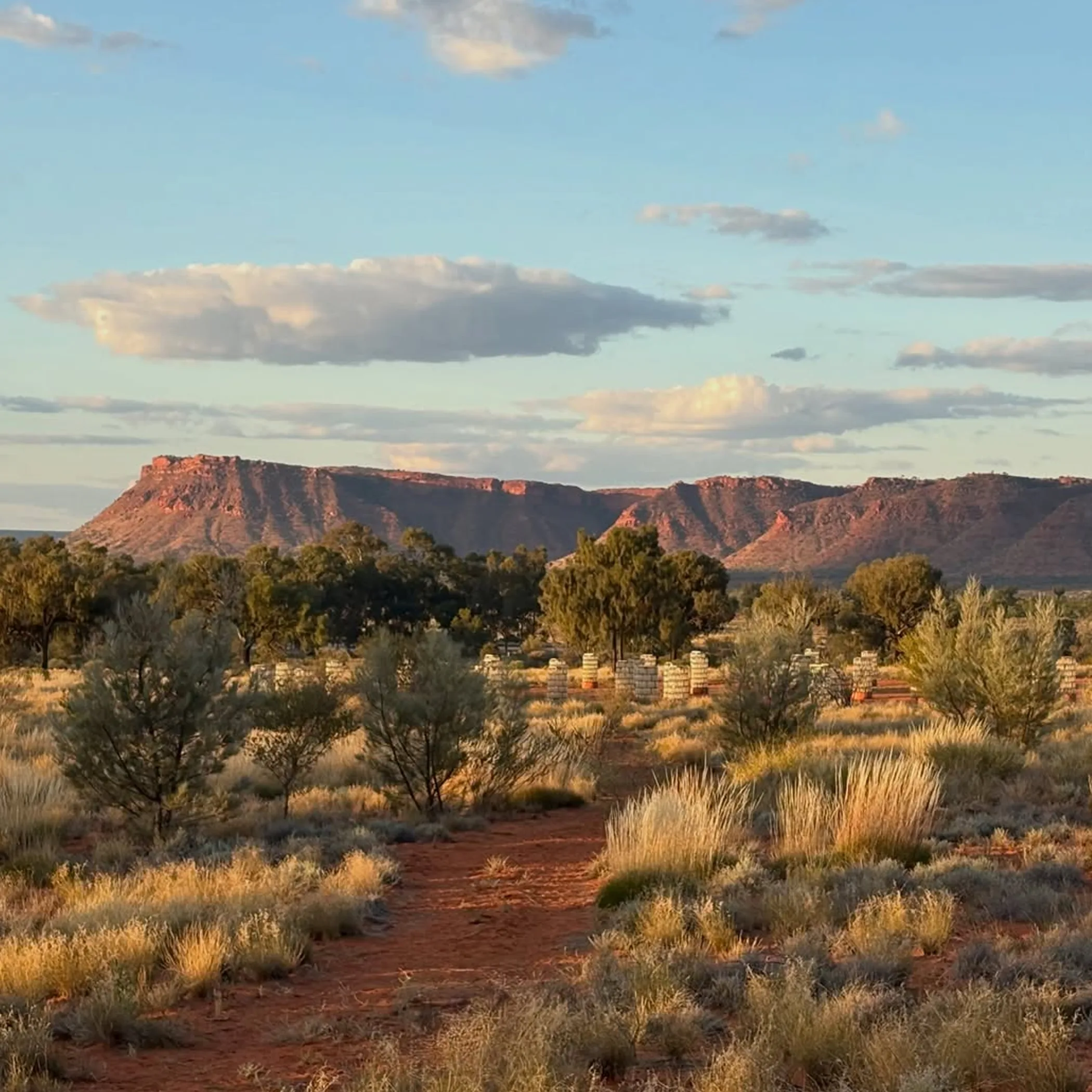
One will find October through April to be the time to be in southern Australia. Days are at their longest and it is easier to get outdoors. The summer is made for the coast and a drive along it; autumn is when temperatures become agreeable; and spring has its uses in the national parks, gardens and food regions.
Then there is winter. It is no cause for concern and can be the finest time to see the Snowy Mountains, put in an appearance at a museum or gallery, or have some wildlife encounters. One must be ready for the cold of the morning and wet roads and shorter days, and accept that a picnic might turn into something of a soup affair.
Bushfire Risk And Summer Heat
The summer months of December to February tend to be the most heavily travelled in the south. With school holidays come higher prices for vehicle hire and lodging in places like Western Australia’s coastal routes, Tasmania’s walking tracks or on the beaches of Sydney.
Very hot days are to be expected in Adelaide and the South Australian interior; Perth for its part is usually dry and sunny in summer. Such heat can put a crimp in your plans for driving or walking. Bushfires mean you may face evacuation warnings or find a park closed and the road altered. Do not take it for granted an old track is open, make sure to consult state emergency information first.
If you have a day to spare, do not try and tick off a number of cities as if they were fridge magnets. Pick one area. A harbour and coastal walk in Sydney, or in Melbourne the central city and an adjoining cultural or food quarter. In Perth it is better to factor in a sensible way back from the coast than to put in an over-ambitious detour.
Spring, Winter And Autumn
March to May is a solid all-round option for the south in autumn. You will be more comfortable on a coastal drive or in the vineyards and the crowds are less in evidence away from the holidays. Tasmania is apt to be wet and crisp but the colours and the cooler conditions are fine for those who are prepared.
In the winter of June to August the major cities of Melbourne, Sydney, Perth and Adelaide are as open as ever for a break, if the rain does not cooperate. The Snowy Mountains and alpine roads may have snow and call for chains; in Tasmania it gets properly cold.
Spring (September to November) has its appeal for a road trip with the wildflowers and daylight, though the weather is fickle. By September a wintry feel lingers in the south while up north things are getting hotter as the dry season wanes.
A Regional Guide To The Weather

The following is a practical way to look at travel months in Australia. Take the temperature figures as a rough guide for your planning, not a given; a heatwave or local topography will alter what you experience.
| Region | Most Comfortable Months | Typical Seasonal Pattern | Activities of note |
|---|---|---|---|
| Cairns and Tropical Queensland | May to October | Easier to be outside in the drier, less humid air | Swimming (where allowed), reef and national park excursions, walks on the coast |
| Darwin and the Top End | May to September | The dry season is preferable to the risk of flooding and storms | Markets, cultural sites, touring the parks for wildlife and waterfalls |
| The Kimberley | June to September | More dependable access in the dry | Gorges, cruises and four-wheel-drive in the remote outback |
| Sydney and Melbourne | October to April | Variable rainfall in a temperate climate | Sightseeing, festivals, food and the odd beach or walk |
| Adelaide and Perth | October to April | Warm in summer, the winters are cooler and wetter | Wine country, national parks and a drive by the sea |
| Tasmania and the Snowy Mountains | Dec to March to hike, Jun to Sep for the snow | Quick changes and cooler climes | Alpine sports, winter views and wildlife |
Australia’s statistics bear out why a national forecast is little use; there is a world of difference in humidity and temperature between a desert and an alpine setting. Look at the forecast for where you are going, not just the capital you have flown in to.
Months in the North Versus the South
A month by month comparison of the country is useful in putting together a lengthy itinerary and to avoid the error of reserving a tropical road trip and a walk in the southern alps with the same wardrobe in mind.
January to March
Much of the north is hot and humid during these months, with the chance of thunderstorms and flooding in the wet season. Some of the natural sights are formidable and lush, yet you may not get to them. A flexible stay in Cairns or Darwin is generally more advisable than a hard and fast plan for a remote drive.
It is summer in southern Australia. One might be drawn to the beaches, a coastal drive or a festival, but high prices, bushfire closures and heatwaves have a way of complicating things. Tasmania and some higher ground will be cooler, yet you will need to put in some advance work for the more sought after walking routes.
Planning for April to June
In the north, April is something of a transition; humidity can be high even as the roads and attractions put in an appearance once the conditions have dried. The dry season is to be had in a more reliable fashion in May and June, a shoulder season well suited to those who would rather not contend with the mid-winter crowds.
Down south, travel is generally comfortable in April and May. Then winter comes in June with its cold nights and short days. Good for a city break and to start thinking about the snow season, but outdoor types should keep an eye on alpine and road conditions.
July to September
A number of northern itineraries are on solid ground from July through September. It is easier to get about in Darwin, Kakadu, Cairns or The Kimberley, if one does not mind that accommodation costs can be up and the better tours are in demand. Put in your booking for any reef excursions or remote transfers at an early stage.
The south is in winter till August gives way to spring. There are indoor options in the cities when it is wet and the alpine areas still see their share of snow sports. September is a fine compromise with improving daylight in the south and northern conditions that are still of use.
October to December
Both regions present a shoulder-season chance in October, with the north’s humidity starting to build and longer, warmer days in the south. Wet-season storms are more of a prospect in the north come November and December, as is the summer heat in the south.
Reserve your transport and a room well in advance for the Christmas and New Year period. You may find services are thin in remote parts and a long haul behind the wheel is tiring enough, no matter how flat the road appears.
Seasons and what they are for

Do not let the temperature on your weather app be the only guide to the right season. What is a good month for the reef is no good for an unsealed route in the Kimberley or a high-country hike.
The dry season is when to go in the north for the national parks, waterfalls and a four-wheel-drive into the outback. In the warmer months the south has the food regions, the coast and the cities; in winter there are the galleries, restaurants, snowfields and wildlife to be had in the cold.
A question of style
Make it May to September for a first foray in the north and leave a day open in the schedule. You may need the leeway for a delayed tour or a bit of tropical tantrum from the weather, or because a road is no longer passable.
A southern road trip is best done March to May or October to November for milder going and to avoid the peak season. Summer has the long days and the beach, but that does not make every walking route a better option.
- Dry season in the north for predictability and lower humidity.
- Summer or shoulder season in the south for the national parks and a drive along the coast.
- Alpine in the winter for the snow, in the summer for the hiking.
- Shoulder seasons if you want some flexibility with where you stay and can put up with mixed weather.
On transport and cost
You can fly between the major capitals and places like Perth, Sydney, Melbourne, Adelaide, Cairns and Darwin. For anything more remote a hire car, coach or guided tour is called for. Distances in the north are considerable and fuel stops few and far between. Do not count on mobile coverage beyond town limits and take some extra water and tell someone your plans.
As for accommodation, a dorm or campsite for the budget minded runs $30 to $60 a head a night or so. Mid-range will set you back $150 and more, over $300 in the peaks. Expect to pay several hundred Australian dollars for a guided outback or reef tour. These are rough figures, subject to what is available.
Factor in some time for the heat, road trains, rest and the odd animal. A map makes it look simple but with meals, photos and slower going it could be all day. And after a rain a remote track is as rough as guts; the recovery bill is not much of a souvenir.
Wet Season
There is nothing wrong with travelling in the wet season if you have the experience and do not require a fixed timetable for your tours and roads. But it is not for everyone. People are mistaken in thinking the rain is unrelenting; in the tropics it is more likely to come in a heavy spell and then clear up. Then there are the more serious matters: humidity, flooding, lightning and road closures, to say nothing of slippery tracks or water conditions that can alter in an instant.
Do not set off without having seen what the park alerts and cyclone warnings have to say, and be sure you know the terms for cancelling accommodation and how the roads are. One should not put a vehicle through floodwater on the strength of another car having done so; the depth is fickle and the road may well be gone.
Winter In Southern Australia

With some forethought as to the cold and limited daylight, winter travel is quite doable. It is cheaper too if you are after city accommodation and can time it to avoid school holidays, although the snow country will command a premium when demand is up.
People make the mistake of not giving the wet cold enough credit. You are better off with a good waterproof layer, warm socks and means of drying your clothes than an oversized jumper. In the Snowy Mountains or Tasmania a look at the alpine forecast and any road requirements is in order before you go.
Those new to it would be wise to steer clear of remote alpine walks in bad weather unless they have the equipment and know-how to navigate. A day in winter is best spent in a town within easy reach or an indoor venue, or on a short marked walk, and then back before it gets dark. The bush has no regard for your confidence.
Seasonal Recommendations Across Destinations
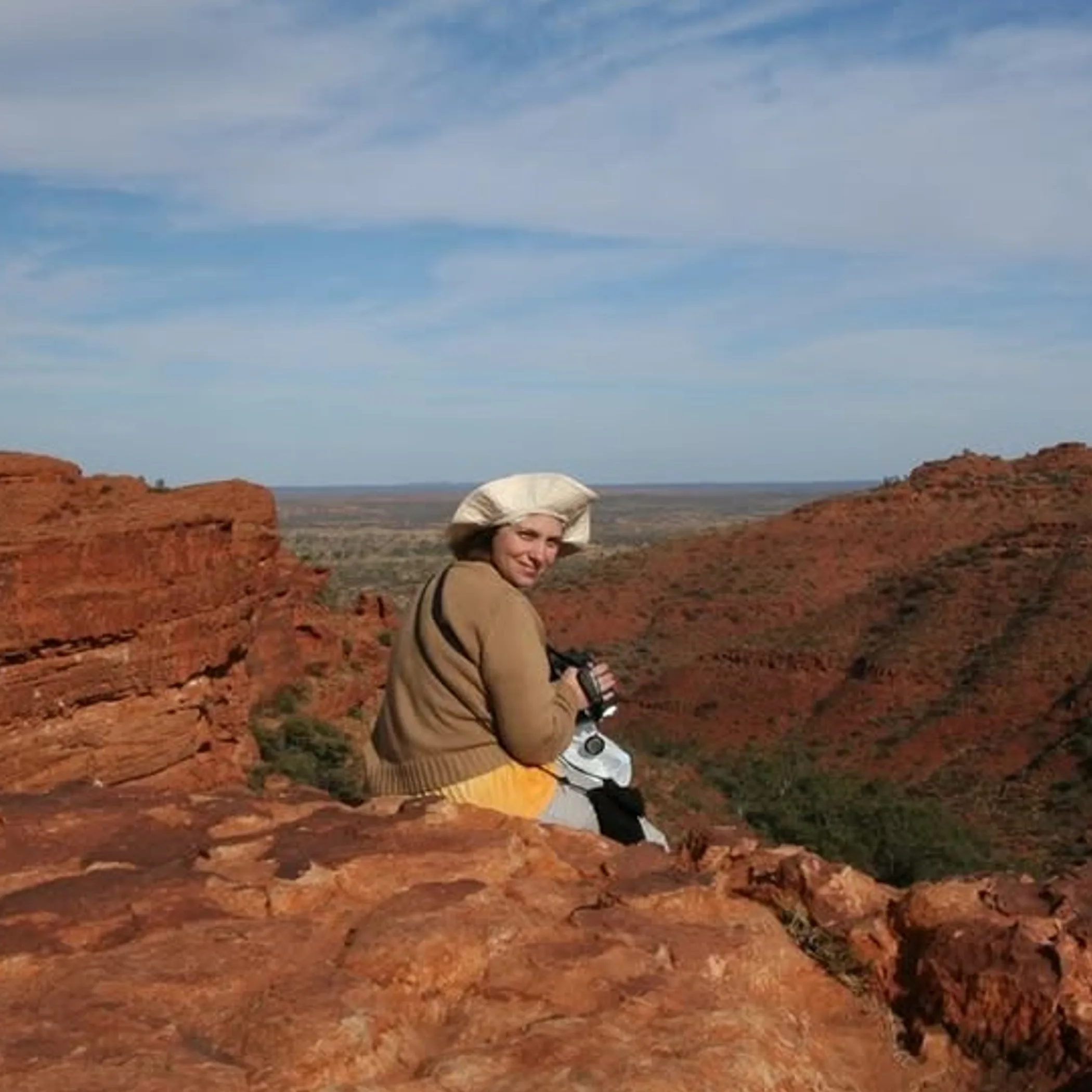
A handy way to resolve whether to head north or south is to consult these seasonal recommendations for the various destinations. They enable a traveller to put together an itinerary of different regions and not have to spend the holiday in pursuit of decent weather.
| Your Priority | Better Region | Recommended Timing | Practical Note |
|---|---|---|---|
| Reef and tropical wildlife | Cairns | May to October | Heed local advice on swimming and get in early to book marine tours. |
| Waterfalls and Top End parks | Darwin | June to August | Have water for your walks and verify park access. |
| Remote gorges and four-wheel driving | The Kimberley | June to September | Permits, fuel and road conditions need to be confirmed. |
| Beaches and urban culture | Sydney | October to April | Expect heat and crowds and the vagaries of the coast. |
| Food, galleries and cafés | Melbourne | March to May or June to August | Weather is quick to change so pack layers. |
| Alpine hiking | Snowy Mountains | December to March | An early start is advisable, check on storms and the track. |
| Snow sports | Snowy Mountains | June to September | Bring the necessary equipment and see what the roads are like. |
Cultural access is something to think about as well. Permits are needed for some Aboriginal lands and the rules differ from one place to the next. Put in the permissions ahead of time and abide by any closures. For a visit to a Northern Territory park a NT Parks Pass could be called for, so make certain of the present requirements.
Frequently Asked Questions
Travellers coming from the northern hemisphere find the Australian seasons confusing enough to warrant some explanation. I put forward answers to the questions that come my way most when one is making plans.
What Part Has Best Weather?
You will not find anywhere in Australia with perfect weather 12 months of the year. The southern coastal cities tend to offer the most even mix of comfort over the course of the year. Perth, Sydney and Adelaide have their appeal away from the summer heatwaves. In the north, Cairns and Darwin are at their best in the dry season from May or so until October.
How Do Hemispheres Compare?
Being in the Southern Hemisphere puts Australia’s seasons at odds with those in the U.S., Canada and most of Europe. We have our summer in the December to February period, autumn in the three months from March, winter from June to August and spring from September to November.
What Are Australia’s Seasons?
There are the usual four: summer, autumn, winter and spring. But in the tropics of the north the distinction between wet and dry is of more consequence to the traveller than the four-season calendar.
What Season Is Australia Now?
Mid-September sees us in spring. In the north the dry season is well underway while in the south it is milder for the most part but there can be cold mornings and wind and rain.
When Does Autumn Start?
Meteorologically speaking 1 March is the first day of autumn in Australia and it will run through to May, though the temperature in a desert or alpine region will be different to the tropics or temperate zones.
When Does Winter End?
31 August is the last day of winter and spring starts 1 September. Do not be surprised to find it still cold and snowy in the Snowy Mountains or Tasmania past that point, whereas the north can be hot and humid.
Make The Season Work

There is no one month that is ideal for both ends of the country. For the warmer and longer days of the south, October to April is the time; for the dependable dry season in the north, make it May to October.
Put together an itinerary that makes sense of the regional weather and the activities you want to do, taking into account safety and road access. Have the gear and be prepared for the odd delay and any local restrictions. Australia will reward a traveller who is ready for it, and now and then the one with the spare pair of socks.
