The 2026 edition of Social Commerce Australia is about bringing the act of shopping to where the discovery happens. More and often an Australian will come across a product on a social post, via a short video or by way of a creator’s recommendation or live stream, and then want a mobile-friendly way to buy it without delay.
There is no mistaking the opportunity: be of use in the discovery process, have a straightforward checkout and put forward a recommendation that can be trusted. Blake Morrow has put together this guide to the principal trends in social shopping for 2026, which platforms to put first, what brands get wrong and the figures one should be following, including tailored online shopping recommendations.
Why it is of import in social commerce

In one continuous journey you have your purchasing, customer engagement, product discovery and the social content to go with it. Whether it is in-app checkout, live shopping, commerce driven by a creator or tagging products in video, it is all part of the same equation.
For the Australian customer who is on his mobile having a coffee, in transit or putting in some video time before he goes to sleep, social commerce is relevant. One may still open up tabs and do the old routine of comparing, but social commerce offers a quicker way of going from “That could be handy” to making a purchase.
Interactive Discovery
You can interrupt someone with an ad or you can win their attention with social commerce by showing them how a product works in real life or fielding a question. On Instagram Reels a Brisbane resident may spot a barbecue accessory, head over to TikTok for a demo and then put through an order after reading what other buyers have to say in the comments.
Good content is not a glossy catalogue; it lets the product speak for itself and is forthright about its limitations so as not to send people off in a digital maze to make up their mind.
What is driving the change
The changes we are seeing in 2026 are of a practical nature. The customer is after a checkout that holds up and does not give way like a poor quality camping chair, along with speed and some proof of relevance.
Any brand that can see to service, fulfilment, payment and content will be better placed than those slapping a “shop now” button on each and every post.
Making it to the cart
Short-form video has its place for the quick demonstration. Then there is creator commerce, which is on the rise as Australians gravitate to the genuine recommendations of someone with a similar lifestyle or location.
Live shopping in Australia is being approached with more circumspection. It is well suited to beauty, fashion or homewares where a little comparison or explanation is called for, but of limited value for items with thin margins that require none.
| Trend | Customer benefit | Best use | Useful measure |
|---|---|---|---|
| In-app checkout | Fewer interruptions | Low-consideration products | Checkout completion rate |
| Shoppable video | You can see the product | Demonstration-led | Visits to product page per view |
| Live shopping | An answer right away | The more complex purchase | Revenue per viewer |
| Creator commerce | Context and social proof | Niche audiences | Attributed conversion rate |
| Recommendations | No need to search | Varied catalogues | Click-through and repeat rate |
Consider the table a framework for planning, not a given that any format will work for an Australian retailer. Put it to the test with your audience and see what your margins and order values allow.
Mobile payments without the friction

With mobile-first shopping and in-app checkout the steps to pay are few. If a customer is already sold on the product he should not be made to put in his details again or contend with a robot designed to be difficult. Where available Apple Pay or Google Pay will expedite things. Stripe and the like are of assistance to a business in running the checkout but the fees, fraud controls and settlement are matters to review.
Clearing the path at checkout
Take an ordinary phone and put the whole purchase process to the audit. Do not depend on the Wi-Fi at the office, use mobile data. See how the page speed is, what the error messages say, the delivery and return costs, the confirmation email.
- Where you can, put the price they will be paying on screen.
- Be clear on stock and sizing.
- Have the usual payment methods to hand.
- Let customers find out when their delivery is due and how to return something with ease.
- Note any point at which they walk away.
And while the New Payments Platform is part of the infrastructure here in Australia, do not put in an advert for a payment method unless you have checked with the provider that the social platform in question can handle it.
Short-form video on the shop floor
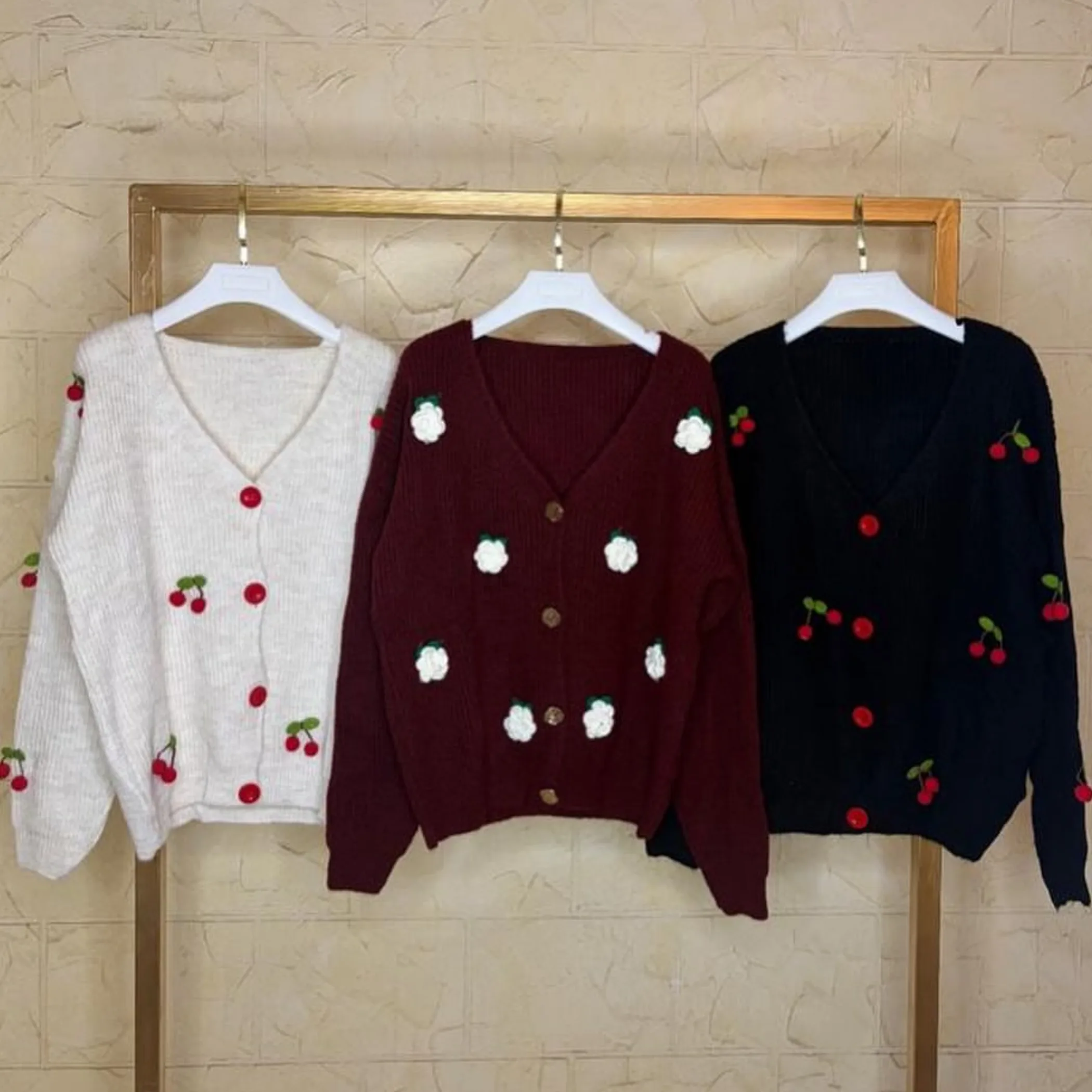
Be it YouTube Shorts, activity on Instagram Shopping or TikTok social commerce, it is all down to how fast one can understand the product. The best video will have you asking no more than three questions in short order: what is this, for whom and why would I want to know?
With shoppable video the product should be part of a story that has some utility. A coffee roaster can put the grind size and brew time on display; a skincare company can tell you how to go about applying something in the Queensland humidity; a camping retailer will have you see an item being put to use, then packed and put away after a weekend in the mud.
Useful Demonstrations
Do not lead with the logo, start with the problem at hand. Put captions and good audio in place and make the next step obvious. And do not feign that any one product is a panacea for your viewer’s life. Let the tagging of the product be in service of the story, not an interruption to it.
It is true that Instagram Reels and TikTok are good for garnering attention but that does not equate to revenue. Put views up against add-to-cart activity, finished purchases and visits to the product page. You may well see more sales from a video that has less viewership if it is in front of those with the intent to buy.
Confidence Through Live Shopping
In Australia there is value in live shopping where a customer wants to be put at ease before parting with money. It is an opportunity for brands to put products through their paces, field questions and put objections to rest on the spot.
You can draw in an audience with a livestream promotion or ad but paid reach is no fix for a lacklustre presentation or bad stock planning. The host must be able to deal with questions in an honest way and have the product knowledge and a run sheet to back it up.
Be Prepared For Reality
Put in a brief rehearsal prior to going live. See to the lighting and sound, confirm the internet is stable and that product links, discount codes and stock are all in order. Have someone else on hand to keep an eye on any issues and flag them as the host is presenting.
The timing is often misjudged. An hour on air can mean several hours of planning, testing and follow up. Should a product run out in the middle of a session, the audience will be left with the frustration rather than the memory of a discount.
Leave a recording for those who were not there but be accurate in your labelling as to whether the product is still available or a promotion has lapsed and if the comments are live.
How Creators Win Trust

You do not have to look to the celebrities for creator commerce. There is relevance to be had with nano- and micro-influencers whose following has a particular lifestyle, profession or even lives in the same suburb.
A demonstration that is forthright will do better than an endorsement that is so scripted it seems the whole committee was behind it. Australian social selling is most effective when the creator is speaking his or her own piece.
Follower numbers are not everything
Look at the quality of engagement, comment patterns and past work with other brands and where the audience is based. Can the creator put commercial relationships on the record and give an accurate account of the product? In my experience of reviewing things online, a nice photograph does not tell you if a thing is hard to clean or what to do when it goes wrong, let alone if it will stand up to the heat. Those are the answers of consequence.
Set out the facts of the matter in a brief for the creator, including offer dates and what cannot be claimed, and let the demonstration be natural. Do not try to change their personality.
Better Discovery With Recommendations
An online catalogue can be daunting. Good recommendations allow a customer to find his way without feeling under a microscope. They are driven by what has been viewed or saved and they put the customer in charge.
There is a problem to be solved here, be it a matter of finding a compatible accessory or the right size, not to put the highest margin in front of everyone.
Some Human Touch
“Works with the grinder you were looking at” is preferable to “You may also like”. Make sure you are not putting forward something out of stock or beyond the customer’s location and provide for different price points.
Then there is the matter of privacy. Use only the data necessary and be clear on its use. The guidance on consumer rights and protections from the Australian Competition and Consumer Commission is the authority on such matters, as outlined in its guidance on consumer rights and protections.
Select Your Platforms

Not every business in Australia has to have a presence on every platform. What is right for you is a function of the content you can put out, the category of the product, your customer service and how well you can measure results.
Find where your customers are already talking about the issue your product addresses and begin there. Get a checkout and content process down pat before you open up another channel.
Match the Job to the Channel
| Platform | Strongest role | Watch closely |
|---|---|---|
| TikTok | For discovery and demonstrations | Keep an eye on the pace of creative |
| Product tagging, visual proof and Reels | Mobile checkout should be consistent | |
| Audience segmentation, retargeting and Facebook Shopping | Audience segmentation | |
| YouTube Shorts | Searchable demos | Content with staying power |
There is an audience in common on Instagram and Facebook; make use of Meta’s tools to get in front of them. Yet one should not think a given creative will have the same impact on each. Put some effort into tailoring the call to action, caption and opening for the platform at hand.
Sales Driven: Measure It
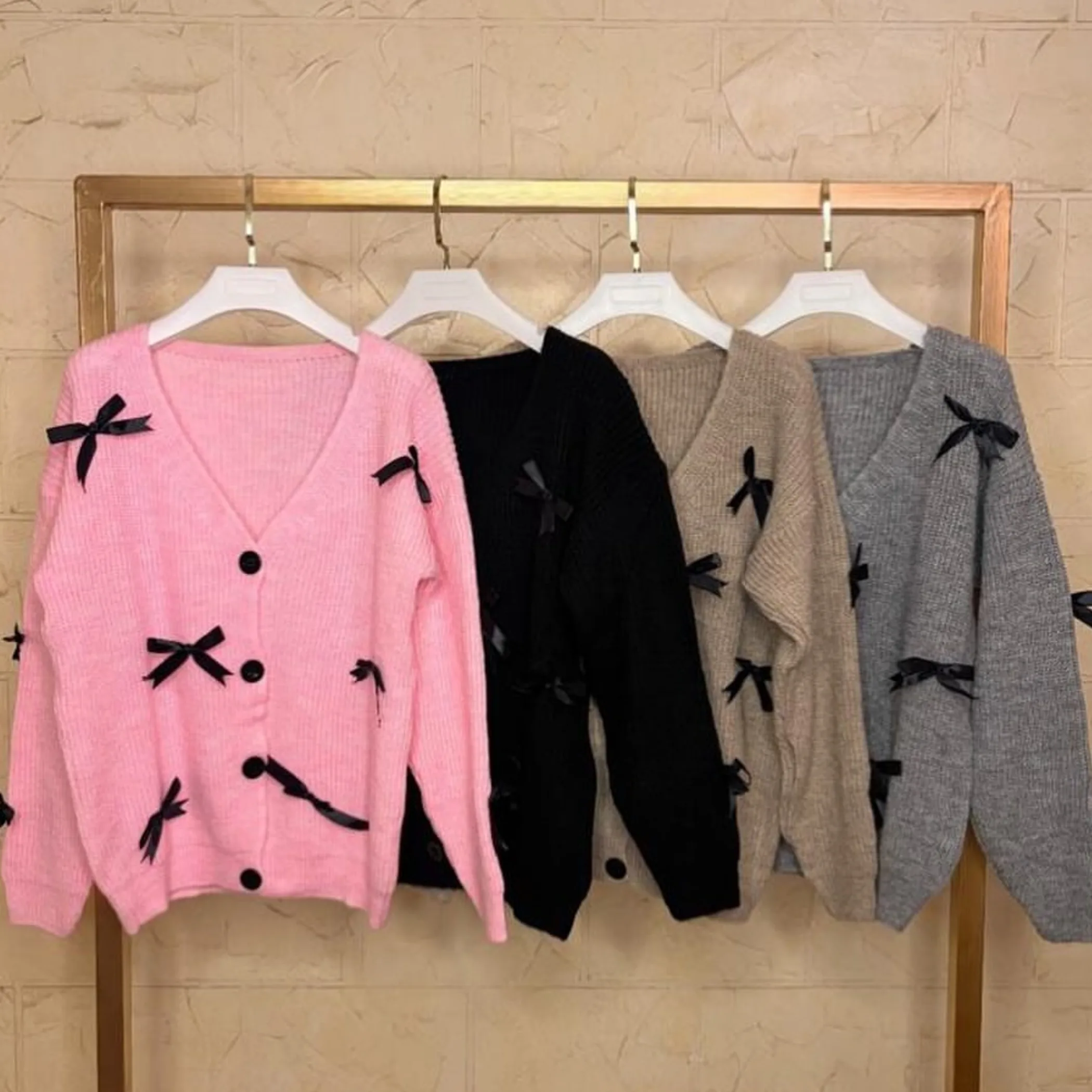
Likes and a growing follower base are fine for showing you have people’s attention but they are no proof that the customer journey is sound. Social commerce demands more than those metrics.
Follow the path from view to product page, on to the cart and finally payment. Put those figures in context with margin, delivery expenses, refunds and the burden on customer service.
A Dashboard That Is Useful
In it you will want to see reach, engaged-view rate, click throughs to the product page, add-to-cart and checkout completion rates, as well as conversion rate, average order value, repeat purchase rate and the cost to acquire a customer.
Be specific in your definitions. A conversion rate has to have a base, be it purchases over product-page sessions or over video clicks that were tracked. Otherwise the dashboard has an air of precision but is really comparing apples with road trains.
- Do your review of content across the different platforms, formats and audience segments, by creator if need be.
- See what assisted conversions there are by pitting attributed sales off against total sales.
- Note any delivery complaints, cancellations or refunds next to the revenue.
- Small scale tests of your hooks, offers and landing pages are in order.
- Use a control group or period for comparison when you can.
To know how things stand after the social click, look at returns data and feedback from customers and Australia Post fulfilment numbers. An uptick in orders that leads to late deliveries is going to erode trust and prove more costly than the dashboard would have you believe.
Some Answers To Common Questions
For the Australian business intent on making social attention translate into dependable sales, these are the sorts of concerns I come across. The answers are kept short and to the point; there is no room in a marketing plan for another fog machine.
2026 Social Media Trends
You will find short-form video, live shopping, in-app checkout, digital wallets and the like, as well as personalised discovery and commerce put in the hands of creators. What is significant is the link made between transaction and content, not the feature of a particular platform.
Australia Post Commerce Report 2026
While the report is a current source of information, the figures are not supplied here so do not put a percentage in quotation marks without having read the published version. Take the latest from the report on matters of category growth, regional variations, mobile behaviour and the like and set it up against your own data.
E-Commerce In 2026
The trends to note are omnichannel retail, shoppable video, recommendations from creators and quicker ways to pay. On top of that, keep an eye on the cost of a new customer, privacy issues, returns and whether deliveries are reliable.
An Industry On The Rise?
One cannot point to a universal winner in Australia from what is available. It depends on the measure and the time frame. With social commerce, video-friendly categories where trust or an explanation helps are good prospects: beauty, fashion, homewares, fitness and hobby goods, food.
Can A Small Business Do Social Commerce?
They can, provided they have a single product use case in mind and stick to one platform and one audience to begin with. There is no sense in being on every channel if the business is not yet in a position to handle the returns and field questions. A test of modest proportions is less risky than a big campaign predicated on guesswork.
What Brands Should Be Doing

Acting on the 2026 social commerce trends in Australia comes down to a few straightforward things: show the product, let the customer pay easily on mobile, have a trusted creator on side and measure the whole of the journey.
It is not an end run around quality of service or product. Social commerce is simply a more direct way to the customer and in doing so will lay bare any deficiencies in stock control, a checkout page that is hard to use or vague delivery terms. Get those in order and the social content can work for you in putting the right product in front of the right person.
