The answer to whether one should swim after a new tattoo is as straightforward as the question: do not put it in the water to swim, surf or soak until it has healed. Two to four weeks is the norm for most, but if the work is of a larger scale, heavily shaded or a slow healer, allow four to six weeks.
On the surface a new tattoo may appear in order but it is an open wound. You have to consider the infection risk from salt water, chlorine, sand, sun and ocean bacteria which will do nothing but aggravate healing skin. I have been around Cairns and reef logistics for two years in my time as a Brisbane content creator and I can tell you how fast “just a quick dip” becomes an irritated, soggy affair. This is a no-nonsense look at Australian summer ink healing.
Can You Swim After Getting A New Tattoo?
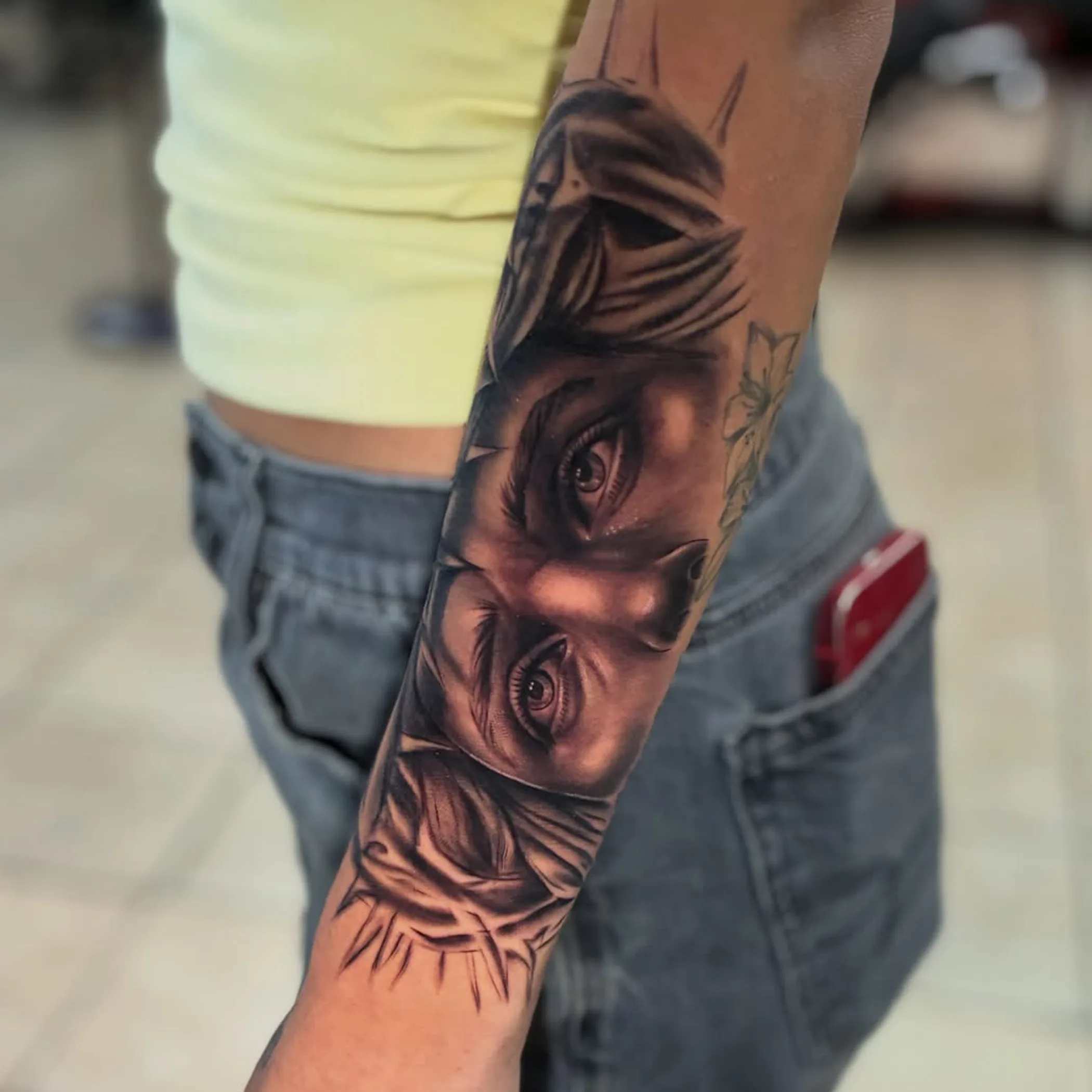
Not until the skin has settled and closed up. The rule is the same for the beach, ocean, any kind of pool (salt water or otherwise), lakes, creeks, spas and baths. A shower is generally acceptable given the contact with running water is fleeting and clean; soaking is another matter entirely.
Put away the calendar and make your assessment on sight. There should be no scabbing, weeping or peeling, nor any redness that lingers, swelling, tenderness or odd warmth. To the touch it ought to be like normal skin, not a fresh scrape. Any doubt and you are not ready.
What Most People Get Wrong
It is a misconception that salt water will disinfect the piece. The ocean is hardly sterile and there are microorganisms in natural seawater that will cause trouble in compromised skin. Nor does chlorinated water give you a free pass; it can be drying and irritating to the tattoo and public pools have their own risks.
Then there is the waterproof dressing which some take as permission to get in the water. It might ward off a splash but heat, pressure and movement will work at the edges and let water in. Before long you have a warm pocket of trouble under the cover.
How Long Should You Wait?
Two to four weeks is what is normally advised. Go with the longer end of the spectrum for anything over a joint, with dense colour or where there is friction and the skin is still scabbing. Do not be tempted by the notion of a week being enough; even if the redness is gone and the tattoo appears dry, the deeper skin is yet to mend.
| Water Activity | Practical Minimum | Rationale |
|---|---|---|
| Brief shower | From the outset, provided you follow your artist | Clean running water is better managed than a soak |
| Ocean or surfing | Two to four weeks or more till it is fully done | An open wound will be irritated by the waves, sand, salt and sun |
| Pool | Fully healed | Shared water and chlorine are hard on the skin and invite infection |
| Salt water pool | Fully healed | You are still soaking and there are sanitising chemicals present |
| Lakes / creeks | Fully healed, longer if you are unsure of the water | Freshwater has its share of sediment, runoff and microorganisms |
| Spa / bath | Fully healed | Communal water and the heat of a prolonged soak are unkind to new skin |
Take these as a general window for healing, not a medical opinion. What your tattoo artist has put in writing is what should be heeded, particularly if they have proffered some individual counsel on your skin or made use of a second skin product.
The Beach As A Healing Delay
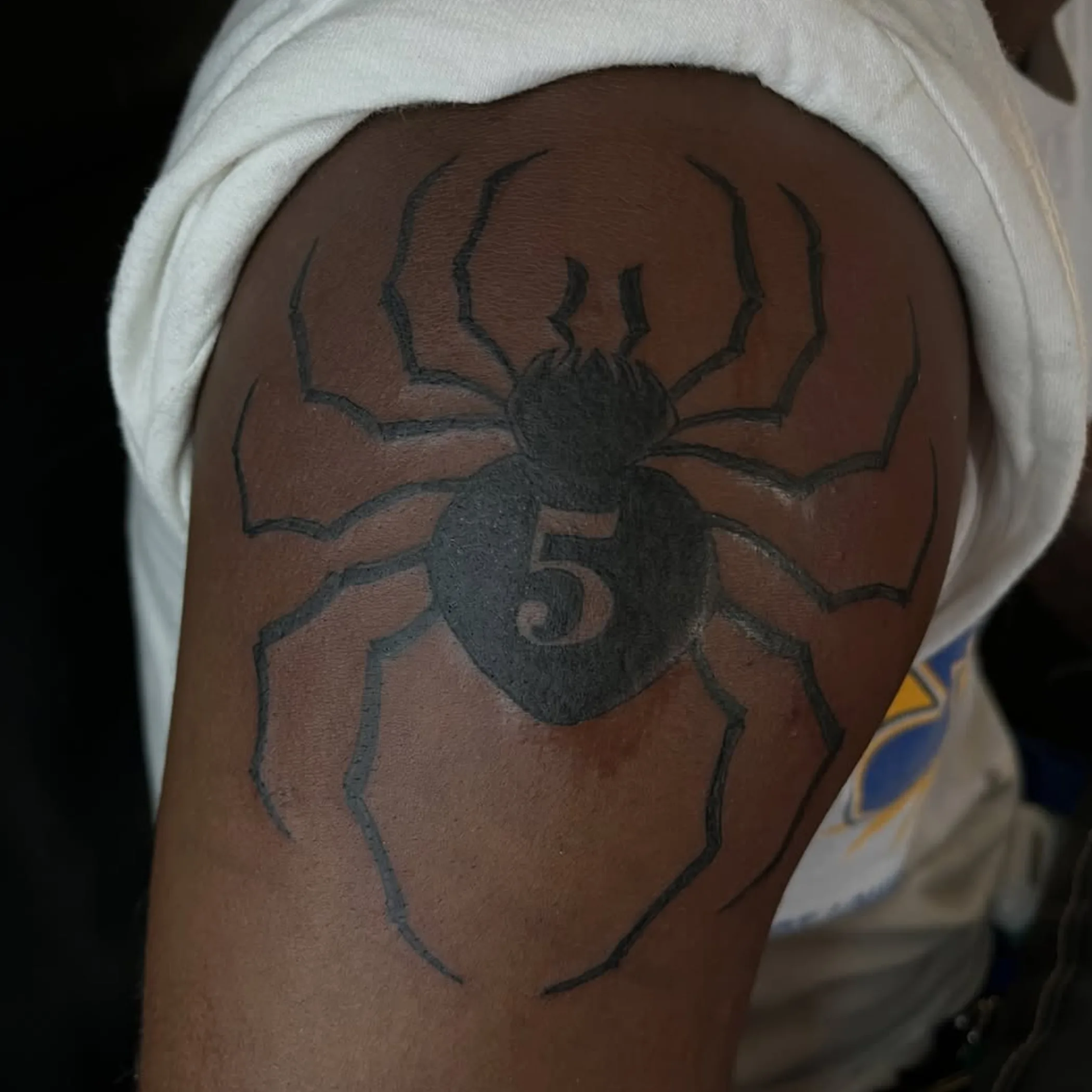
A new tattoo and the beach are a recipe for irritation: you have ultraviolet radiation, sweat, crowds, friction, sand and salt water all in one place. Your umbrella will not shield you from light reflecting off the sand and water.
In Australia one underestimates the practicalities of the beach at their peril. The walk from the car park can be a hot kilometre of soft sand and the towel will be rubbing at the tattoo for hours. Toss in a mozzie, some sunscreen and a hasty rinse later on and you will find the skin is redder and more itchy than you would like.
Timing And Beach Access
A day at the beach should be a no-swim affair while your tattoo is in the healing process. Pick a beach that is easy to get to and has a direct route back to where you are staying, with toilets and some shade on hand. Make it a brief visit of it, steer clear of the heat of the day and put on something loose fitting so as not to have clothing adhere to the tattoo.
You would be unwise to put in a long walk on the shoreline or book a surf or paddleboard lesson with a fresh tattoo. Life jackets, board straps, wet gear and a towel full of sand will all cause friction. The sensible thing to do is to come clean, remain in the shade, have the tattoo covered and be off home before any irritation or hot skin sets in.
Will Salt Water Be A Problem?
Salt water has a way of stinging a new tattoo and leaching moisture from the outer skin, which can lead to more peeling, dryness and irritation. But salt is not the only issue. The ocean is an environment with its share of bacteria, algae, pollutants and particles that are free to make their way into compromised skin.
Then there is the matter of waves and sand when one goes swimming after being tattooed. Sand will stick to ointment and is hard to get off without some rubbing; waves will drive grit into the tattoo. Do not mistake a placid looking beach for a controlled wound-care setting.
Take Ocean Conditions Into Account
If there is a pollution warning, poor water quality or stormwater runoff from recent rain, then do not swim. Contaminants from creeks and drains find their way to the coast after a downpour and the risk is elevated. It is best to check what the local beach alerts say before you go, conditions have a habit of changing over the course of the day.
One should exercise caution with surfing. There is the rub of a rash vest or the scrape of a board, and salt water can get under your clothes. In northern Australia in the wet season heeding croc-wise warnings and local advice for waterways is imperative. You do not want to put a tattoo at odds with a wildlife or beach closure notice.
The Safest Water To Use
Clean running water for a short time is what a healing tattoo needs. Soaking in the ocean, a lake or creek, or submerging in a chlorinated or salt water pool is not advisable given the microbes and chemicals involved.
Do not think there is such a thing as “safe salt water” that will not impede the healing. A salt water pool might be kinder than one with heavy chlorine but it is a pool none the less. The tattoo is vulnerable until the skin is sound.
Public pools in Australia present the reality of shared surfaces, changing rooms and damp clothing. Properly balanced water chemistry does not make an open wound welcome in a pool. Allow the tattoo to heal and you can have your swim later, no need to try and outwit biology.
Summer Aftercare

With the sun, sweat and humidity of an Australian summer, aftercare is not always straightforward. You want to protect the tattoo from the elements and keep it clean and dry enough to heal, but not smother the skin.
Ultraviolet radiation will irritate the skin as it heals and can be responsible for fading down the line. The Bureau of Meteorology puts out a UV Index each day (extreme exposure is 11 and up), so consult their forecasts for any outdoor plans.
Some Summer Precautions
- Be sure to wash gently and pat with a clean towel in keeping with the artist’s directions for cleaning and moisturising.
- Opt for breathable, loose clothing to ward off the sun and any chafing.
- Make sure the tattoo is kept from unwashed hands, the gym, dusty areas and sand.
- Unless your healthcare provider or tattoo professional tells you otherwise, put no sunscreen on a peeling or open tattoo.
- When it is fully healed, a broad-spectrum SPF 50 will do, reapplied as you see fit.
- Leave the cling film well alone in hot weather unless instructed by your artist.
Saniderm and the like are fine if you put them on and take them off per the manufacturer or artist, but they are not to be considered swimming equipment. Do not be under the impression an extra layer of adhesive will waterproof a tattoo for a dip in the water.
What To Do If It Gets Wet
A brief splash on a new tattoo is no cause for alarm. Simply take off any wet garments or coverings and, where necessary, give the area a gentle rinse with some clean lukewarm water before washing as your aftercare regimen dictates and patting it dry with a towel.
Should you have been in the water, resist the urge to put thick creams of any kind on it or to scrub the tattoo in an attempt to “sterilise” it with peroxide, alcohol or something equally harsh. Leave scabbing and peeling skin well alone. You can keep an eye on it for a day or two.
When To Get Medical Advice
There are normal levels of redness and tenderness in the healing of a tattoo but if symptoms get worse they require assessment. Put in a call to a healthcare professional for any of the following: fever or feeling unwell, hot or swollen skin, pus, red streaks, pain that is on the increase or redness that will not subside.
In the event the tattoo was in water of dubious quality, be sure to tell them when you make your appointment; there are risks in a freshwater lake or creek not present in the ocean or a well run pool. And do not look to an internet comment section to tell you whether you have an infection. The people posting may be confident enough about it but confidence does not make for a treatment plan.
Is A Tattoo Fully Healed?
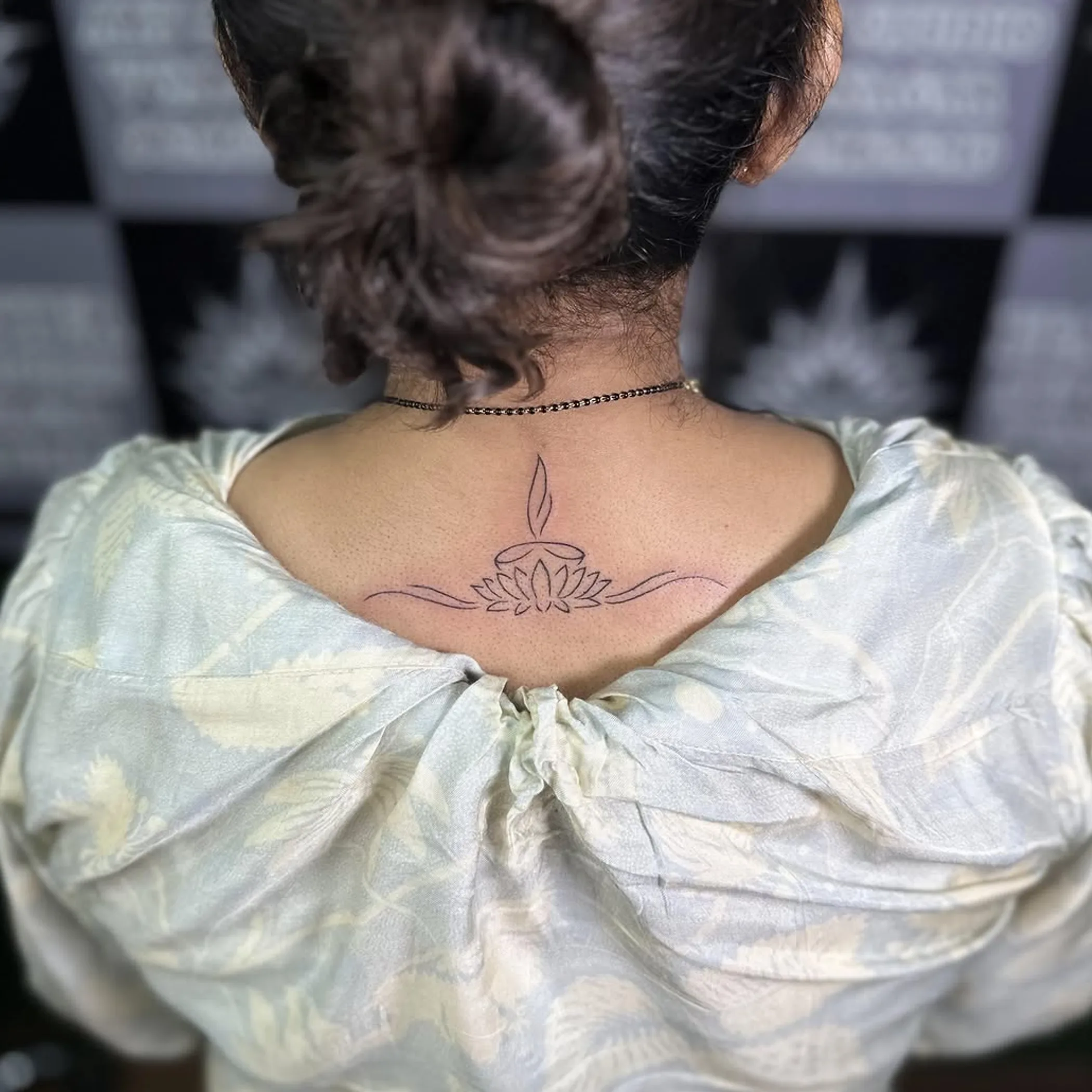
You will know the time has come to swim when the skin has closed up, the redness is gone and there is no weeping or unusual warmth to be had. It is true that in the last stages of healing a tattoo can appear a bit dull but that is no indication of harm to the ink.
How long it takes to heal is a matter of one’s general health, the size and location of the piece, the technique used and the environment. One on the wrist, waistband or ankle is subject to more rubbing and will be slower to settle than a more protected spot.
Reality Check
One might think a week out and the tattoo is fine for a swim, but what is visible on the surface may have improved while the deeper skin is still at work.
Sunscreen is for healed skin; for a fresh or irritated tattoo loose clothes and some shade are the better option at the beach.
As for a waterproof dressing, it is not going to make extended time under water risk free in hot or sandy conditions.
FAQ: Swimming With A New Tattoo
We put together some short and conservative answers to the questions one is likely to have ahead of a trip to the pool or a summer holiday. An infected tattoo is weeks of aggravation and a little delay is nothing in comparison.
Can I go in the ocean with a new tattoo?
No. At least two to four weeks until it is fully done. The open wound will be irritated by the sun, waves, sand and bacteria in the ocean and that is an invitation to infection.
What about salt water?
It will sting and dry out the skin. Seawater is full of pollutants and microorganisms, it is not going to disinfect anything or render swimming safe.
And a salt water pool?
While it is healing, no. There are sanitising chemicals and the act of soaking is enough. Wait for the peeling and scabbing to pass.
How soon can I be in the ocean or a pool?
Two to four weeks is the norm for most, longer for a large, heavily shaded job. If it is sore, shiny or still peeling, wait. The same applies to the pool; chlorine is an irritant and shared water is not for an open wound, dressing or not.
Some practical advice for the Australian summer
The safest course is to let the tattoo heal completely and not worry over the exact number of days. Make a virtue of keeping it from the sun and from being submerged. Treat any beach plans as an affair of shade and staying dry until the skin has closed.
There is a simple rule that holds as well in 2026 as ever: a shower is no trouble, but swimming is something to put off. Let the ink do its healing and the next time you are at the beach it will be all the easier for it.
